Winter Christian: A Stylish and Elegant Script Font for Modern Designers
Typography plays a crucial role in the visual appeal of any design project, especially when it comes to creating an emotional connection with the audience. Among the many script fonts available today, Winter Christian stands out as a versatile and aesthetically pleasing option. Known for its elegance and handwritten charm, Winter Christian is particularly well-suited for applications like wedding invitations, thank you cards, logos, and greeting cards. This article explores what makes Winter Christian unique, how it compares to other script fonts, and when it might be the best fit for your next creative endeavor.
What Is Winter Christian?
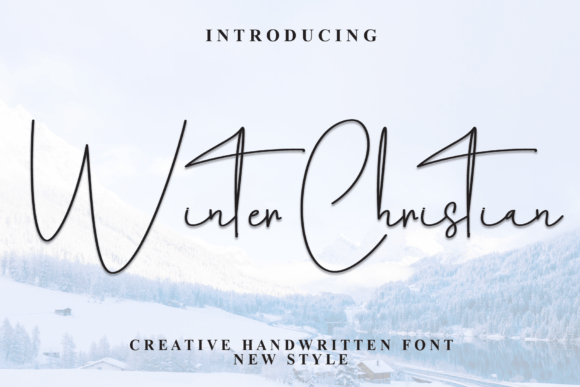
Winter Christian is a digital script font that mimics the look of natural handwriting. Designed with attention to detail and balance, it combines fluid strokes with a refined structure that gives it both personality and professionalism. The font's name reflects its creator’s inspiration—perhaps a nod to the graceful and flowing nature of the winter season or a tribute to a person who influenced its design.
This font features a soft yet legible style, making it ideal for both short and longer text passages. Its characters are carefully crafted to maintain consistency in size, spacing, and curvature, ensuring readability without sacrificing artistic flair. Winter Christian includes ligatures, alternate characters, and stylistic sets, which allow designers to customize their text for different contexts and aesthetics.
Distinctive Features of Winter Christian
Several aspects set Winter Christian apart from other script fonts:
- Elegance and Simplicity: Unlike some script fonts that lean into exaggerated flourishes, Winter Christian maintains a clean and sophisticated look. This makes it more adaptable across various design styles.
- Versatility: It works well in both formal and casual settings, offering a bridge between traditional calligraphy and modern typography trends.
- Readability: Despite being a script font, Winter Christian ensures clarity through well-proportioned letterforms and balanced spacing.
- Customization Options: With built-in alternates and ligatures, users can tailor the font to match the tone of their project, whether romantic, professional, or playful.
Comparing Winter Christian to Other Script Fonts
When evaluating script fonts, it's essential to consider the intended use, the target audience, and the overall design aesthetic. While Winter Christian is highly adaptable, it has distinct characteristics compared to other popular script typefaces.
Handwritten vs. Decorative Script Fonts
Script fonts generally fall into two categories: handwritten and decorative. Handwritten scripts aim to replicate actual handwriting and often have irregularities in stroke width and character shape. Decorative scripts, on the other hand, feature exaggerated curves, tails, and flourishes, which can make them less readable but more dramatic.
Winter Christian sits comfortably between these two extremes. It retains enough organic variation to feel authentic and personal while maintaining enough consistency to ensure readability. This middle-ground approach makes it a strong candidate for projects where legibility is key, such as event programs or branding materials that include body text alongside display elements.
Traditional Calligraphy Fonts
Fonts like Monotype Bickham Script or Lucida Calligraphy are classic examples of traditional calligraphy styles. These fonts often mimic the work of master calligraphers and are known for their ornate details and historical authenticity.
Winter Christian, by contrast, offers a contemporary take on the script genre. It lacks the heavy ink buildup and pronounced serifs found in many traditional calligraphy fonts, giving it a lighter, more modern appearance. For those seeking a timeless look rooted in history, a traditional calligraphy font may be preferable. However, for designs requiring a fresh, minimalist vibe with a touch of warmth, Winter Christian is a compelling choice.
Flourish-Rich Script Fonts
Some script fonts, such as Great Vibes or Allura, are characterized by elaborate flourishes and dramatic ascents and descents. These fonts create a sense of luxury and grandeur but can become overwhelming if overused.
Winter Christian takes a subtler route. Its elegant curves and minimalistic embellishments provide a refined look that complements rather than competes with surrounding content. This makes it suitable for a broader range of uses, including business cards and logos where too much ornamentation could detract from the message.
Strengths of Winter Christian
The strengths of Winter Christian lie in its balance of beauty and functionality. Here are some of the key advantages:
- Perfect for Wedding Invitations: The font's romantic and elegant appearance aligns well with the themes commonly associated with weddings. Its clean lines prevent it from appearing cluttered, even when paired with floral or vintage-style graphics.
- Excellent for Branding and Logos: Winter Christian can add a personal touch to brand identities, especially for businesses in the fashion, lifestyle, or service industries. Its consistent sizing and spacing help maintain a polished look at different scales.
- Great for Social Media and Digital Content: The font performs well in digital environments, including web banners, Instagram posts, and email signatures. Its high-quality rendering ensures it looks sharp on screens of all sizes.
- Supports Multilingual Typing: Many versions of Winter Christian include extended language support, making it accessible for international audiences and multilingual projects.
Tradeoffs and Limitations
While Winter Christian is a powerful tool in a designer's arsenal, it does come with certain tradeoffs and limitations that should be considered:
- Not Ideal for Long Text Passages: Like most script fonts, Winter Christian is better suited for short texts such as headings, titles, or taglines. Using it for large blocks of paragraph text can reduce readability and fatigue the reader.
- May Require Pairing with a Complementary Font: To avoid a monotonous layout, it's often necessary to pair Winter Christian with a sans-serif or serif font for body text or supporting elements.
- Limited Use in Formal Documents: Although elegant, script fonts are typically not recommended for official documents like legal contracts or technical reports. In such cases, a more structured typeface would be a safer choice.
- License Restrictions May Apply: Depending on the source of the font, there may be limitations regarding commercial use, embedding in websites, or redistribution. Always verify licensing terms before using it in a production setting.
Best-Fit Situations for Winter Christian
Winter Christian excels in specific scenarios where its unique blend of elegance and simplicity is most effective. Consider using it for the following purposes:
- Wedding Stationery: From save-the-dates to thank you cards, this font adds a warm and personal touch that resonates with guests.
- Quotes and Greeting Cards: Whether motivational quotes or holiday greetings, Winter Christian enhances the emotional impact of the message with its graceful style.
- Brand Logos and Taglines: For brands aiming to convey sophistication and approachability, this font serves as an excellent visual anchor.
- Business Cards for Creative Professionals: Photographers, designers, florists, and other creatives can benefit from using Winter Christian to differentiate their contact information in a stylish way.
When to Choose an Alternative
Despite its versatility, there are situations where another font may be more appropriate:
- High-Contrast or Bold Designs: If your project involves bold colors, stark contrasts, or geometric layouts, Winter Christian may appear too delicate. In such cases, a bolder or more structured font could offer better visibility and cohesion.
- Projects Requiring High Legibility: For anything involving dense text, such as brochures, books, or presentations, a sans-serif or serif font would be more practical.
- Formal or Corporate Environments: While elegant, script fonts like Winter Christian may not be suitable for boardroom materials, financial reports, or legal paperwork due to their informal nature.
- Cultural or Religious Sensitivity: Some cultures or religious groups prefer non-script fonts for written communication. Be mindful of these preferences when designing for diverse audiences.
How to Integrate Winter Christian Effectively
To maximize the impact of Winter Christian in your designs, consider the following tips:
- Use as a Display Font: Reserve it for headlines, subheadings, and short phrases rather than long paragraphs. This helps maintain its readability and visual appeal.
- Pair with Contrasting Fonts: Combine it with a clean sans-serif or a sturdy serif font to create a balanced typographic hierarchy. For example, pairing it with Lato or Merriweather can enhance legibility and visual harmony.
- Experiment with Ligatures and Alternates: Take advantage of the font’s stylistic options to add subtle variation and interest to your text without compromising clarity.
- Test in Different Sizes and Colors: Ensure the font remains legible and aesthetically pleasing when scaled down for small print or brightened for digital use.
Real-World Applications and Examples
Here are a few real-world scenarios where Winter Christian shines:
- Wedding Invitation Example: “Join us in celebrating the union of [Name] and [Name] on [Date].” This phrase, styled in Winter Christian, conveys romance and elegance, setting the right tone for the event.
- Logo Design Example: A boutique skincare brand uses Winter Christian for its tagline: “Naturally Beautiful.” The font reinforces the brand’s commitment to authenticity and care.
- Quote Graphic Example: A quote about mindfulness in Winter Christian reads: “The present moment is the only time we truly live.” The font’s gentle curves and refined style enhance the reflective nature of the message.
Conclusion
Winter Christian is a thoughtfully designed script font that balances elegance with practicality. Its ability to adapt to a wide range of design needs—from wedding invitations to branding—makes it a valuable addition to any designer’s toolkit. However, it’s important to evaluate its suitability based on the specific requirements of your project. By understanding its strengths, limitations, and ideal use cases, you can make a more informed decision about whether it aligns with your creative vision and communication goals.