Babydol: The Elegant Script Font for Handwritten Touch in Design
When it comes to typography, the right font can elevate a design from ordinary to extraordinary. For those who appreciate the charm of handwritten styles, Babydol stands out as a versatile and stylish script font that brings elegance and personality to any project. Whether you're designing wedding invitations, creating logos, or crafting greeting cards, Babydol offers a refined aesthetic that blends modern appeal with classic handwriting. In this article, we’ll explore what makes Babydol unique, how it can be used effectively, and why it might be the perfect choice for your next creative endeavor.
What is Babydol?
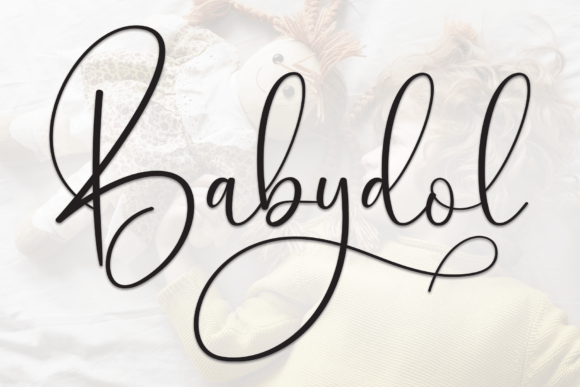
Babydol is a beautifully crafted script font that mimics the natural flow of cursive handwriting. It’s designed to look authentic while maintaining a polished and professional feel. Each letter connects smoothly, giving the impression of being written by hand yet staying consistent enough for digital use. This balance between artistry and functionality is what sets Babydol apart from many other script fonts.
The name “Babydol” hints at its soft, graceful appearance—ideal for designs where warmth and sophistication are key. Unlike overly stylized or exaggerated scripts, Babydol has a clean and readable structure without sacrificing its charm. It’s particularly popular among designers who want to add a personal touch without compromising on legibility or visual appeal.
Key Features of Babydol
- Elegant Cursive Style: Babydol features smooth curves and delicate strokes that evoke a sense of refinement.
- High Legibility: Despite being a script font, Babydol maintains excellent readability, making it suitable for both short phrases and longer text blocks when needed.
- Variety of Characters: It includes multiple ligatures and alternate characters, allowing for customization and variety in each design.
- Scalability: The font works well at different sizes, from tiny labels to large banners, ensuring it adapts to various formats.
- Compatibility: Available in common font formats like OTF and TTF, Babydol is easy to install and use across most design software and platforms.
Where Can You Use Babydol?
Babydol’s versatility allows it to fit into a wide range of design applications. Here are some of the most popular uses:
Wedding Invitations and Stationery
There’s something undeniably romantic about a handwritten font, and Babydol captures that essence perfectly. Its flowing script adds a touch of class to wedding invitations, programs, thank you cards, and more. Couples often choose Babydol for its ability to convey intimacy and elegance, making it ideal for special events where presentation matters.
Greeting Cards and Quotes
Whether you’re designing birthday cards, motivational posters, or inspirational quotes, Babydol brings a sense of warmth and authenticity. Its gentle curves make it feel more personal than standard typefaces, helping to connect with the reader on an emotional level. This is especially valuable in print media where the tone of the message plays a big role.
Logos and Branding
For brands that want to communicate creativity, luxury, or a handmade feel, Babydol can be a great asset. It’s frequently used in logo designs for boutique businesses, fashion lines, and lifestyle brands. The font’s subtle details help create a memorable identity while still being professional enough for commercial use.
Business Cards and Labels
Even though business cards typically rely on clear, bold fonts, Babydol can work wonders when paired correctly. It’s best suited for businesses in creative industries such as design, photography, or artisanal products. When used as an accent or for names and taglines, Babydol adds a distinctive flair that helps stand out in a sea of standard typefaces.
Web and Mobile Design
In digital environments, Babydol can enhance user experience by adding visual interest to headers, buttons, or call-to-action elements. However, it’s important to consider screen size and readability. As a decorative font, it should be reserved for smaller text areas rather than body copy to maintain usability on websites and apps.
Who Benefits from Using Babydol?
Anyone involved in design—from professionals to hobbyists—can benefit from incorporating Babydol into their projects. Here are a few groups that find it particularly useful:
- Graphic Designers: Those looking to offer clients a more personalized and elegant font option will appreciate Babydol’s balance of style and clarity.
- Event Planners: Creating cohesive and visually appealing event materials requires attention to detail. Babydol provides just the right amount of sophistication for everything from invitations to signage.
- Entrepreneurs and Small Business Owners: Brands aiming to highlight craftsmanship, luxury, or creativity can use Babydol to reinforce their visual messaging.
- Creative Writers and Artists: When designing book covers, zines, or portfolio pieces, Babydol can give a unique, artistic edge that aligns with the content’s tone.
- DIY Enthusiasts: From scrapbooking to home decor, Babydol is a go-to choice for anyone wanting to add a handwritten touch to personal projects.
Real-World Examples
Imagine a boutique bakery using Babydol for their packaging labels. The soft, flowing letters give the brand a warm, homemade vibe that appeals to customers. Similarly, a yoga studio might feature Babydol in their promotional materials to reflect serenity and grace. These real-world applications show how Babydol can shape perceptions and enhance brand storytelling.
Strengths and Considerations
Babydol shines in its ability to deliver a high-end look with minimal effort. It doesn’t require extensive kerning adjustments or stylistic tweaks to appear beautiful. Additionally, because it’s a digital font, it allows for consistency in repeated use while retaining the charm of handwriting.
However, there are a few considerations to keep in mind when using Babydol:
- Readability in Long Text: While Babydol is elegant, it’s not ideal for long paragraphs. Its script nature can cause fatigue for readers if overused.
- Printing Quality: To ensure the best results when printing, always check the resolution and font rendering settings. Some printers may struggle with fine script details unless properly configured.
- Complementary Fonts: Pair Babydol with a sans-serif or serif font to maintain contrast and readability in multi-font layouts. A strong supporting font can prevent the design from feeling too busy.
Practical Expectations
It’s important to set realistic expectations when working with Babydol. While it’s incredibly versatile, it’s not a one-size-fits-all solution. For instance, it may not be appropriate for legal documents or technical manuals due to its decorative nature. But for marketing materials, branding, and personal correspondence, it’s a top contender.
Designers also need to be mindful of cultural context and audience preferences. In some cases, a more traditional or formal script may be preferred, so testing Babydol against other options is recommended before finalizing a project.
How to Choose Babydol for Your Project
Deciding whether Babydol is the right font for your needs involves evaluating several factors:
- Tone and Purpose: Does your project aim to feel luxurious, personal, or artistic? If yes, Babydol could be a good match.
- Legibility Needs: Will the font be read from a distance or up close? Babydol excels in larger text but may not suit small, dense sections.
- Target Audience: Consider the age and background of your audience. Younger demographics might appreciate its modern charm, while older audiences may prefer a more classical script.
- Design Layout: Evaluate how Babydol will integrate with other design elements. It pairs well with minimalist layouts but may clash with overly complex visuals.
To test Babydol’s suitability, try it in a mock-up of your intended project. See how it looks on different backgrounds, colors, and in varying sizes. This hands-on approach ensures you’re confident in your choice before moving forward with production.
Alternatives to Consider
If Babydol isn’t quite the right fit, there are many similar script fonts available, such as:
- Sacramento
- Great Vibes
- Yellowtail
- Playfair Display (for semi-script styles)
Each of these has its own character and can be better suited to specific contexts. For example, Great Vibes is bolder and more dramatic, while Sacramento is softer and more casual. Comparing these options side-by-side can help determine which font aligns best with your project’s goals.
Conclusion
Babydol is more than just another script font—it’s a tool for enhancing the emotional impact of your designs. With its elegant curves and thoughtful construction, it brings a sense of artistry and professionalism to any project. From weddings to branding and beyond, Babydol offers a timeless aesthetic that resonates with a broad audience.
Before selecting Babydol, assess your project's requirements and experiment with it in different scenarios. Pay attention to how it interacts with color, spacing, and supporting fonts. By doing so, you can ensure it contributes positively to your overall design intent.
Ultimately, the best way to judge Babydol is through experience. Download a sample, try it in your workflow, and see how it transforms your creations. With the right application, Babydol can become a signature element in your design toolkit, helping you craft messages that are both beautiful and meaningful.