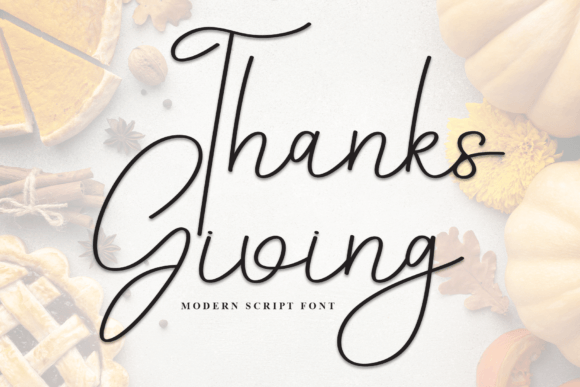
Thanks Giving: Elevating Design with a Touch of Elegance
Implementation Across Different Projects
- Wedding Invitations: The romantic and fluid nature of script fonts makes them perfect for this application. Use Thanks Giving for names, dates, and taglines to add a personal and timeless feel.
- Thank You Cards: These designs benefit greatly from a handwritten touch. Thanks Giving conveys gratitude naturally, helping you stand out in a sea of generic greetings.
- Quotes and Social Media Graphics: Inspirational content often relies on visual appeal to engage audiences. Thanks Giving can turn simple text into a compelling graphic element when paired with the right imagery and layout.
- Logos and Branding Materials: For brands aiming to express creativity, tradition, or individuality, this font can serve as a cornerstone of the visual identity. Test it across different sizes and backgrounds to ensure it maintains clarity and elegance.
- Business Cards and Stationery: Even in professional settings, a well-chosen script font can differentiate your brand. Thanks Giving works best when used sparingly—for titles or taglines—while keeping body text clean and legible.
Workflow Integration Tips
- Define the Scope: Determine where the font will be applied and how prominent it should be. Is it for headlines only, or will it appear throughout the design? Knowing this early helps avoid misalignment later.
- Test Readability: Script fonts can sometimes be hard to read at smaller sizes. Always test Thanks Giving in context—especially for print projects—using tools like Canva, Photoshop, or Illustrator to simulate real-world conditions.
- Ensure Consistency: If you're using multiple fonts, create a style guide that outlines how Thanks Giving interacts with others. Define weights, spacing, and usage rules to maintain consistency across all assets.
- Optimize for Different Platforms: Make sure the font renders well on both digital and print mediums. For web use, consider converting it to a web-safe format or using a hosted version via CSS to maintain quality across devices.
- Use Font Pairing Tools: Resources like FontPair or WhatTheFont can help identify harmonious combinations. Thanks Giving pairs especially well with minimalist sans-serifs or classic serif fonts.
Real-World Examples and Best Practices
Example 1: Wedding Invitation Suite
A designer was tasked with creating a cohesive suite for a rustic-themed wedding. By using Thanks Giving for the couple’s names and key details, they added a handwritten, romantic flair that matched the theme perfectly. The rest of the design used a bold serif font for headings and a clean sans-serif for body text, ensuring the script didn’t overwhelm the layout.
Example 2: Luxury Brand Logo
An entrepreneur wanted a unique logo for their handmade jewelry line. Thanks Giving was selected for the brand name due to its elegance and artisanal feel. The designer adjusted the letter spacing and combined it with a muted gold accent to elevate the visual richness of the mark.
Best Practice: Layering with Backgrounds
To highlight the beauty of Thanks Giving, consider layering it over textured or watercolor backgrounds. This technique is common in editorial design and can transform a simple quote into a visually striking composition.