Abigail Font
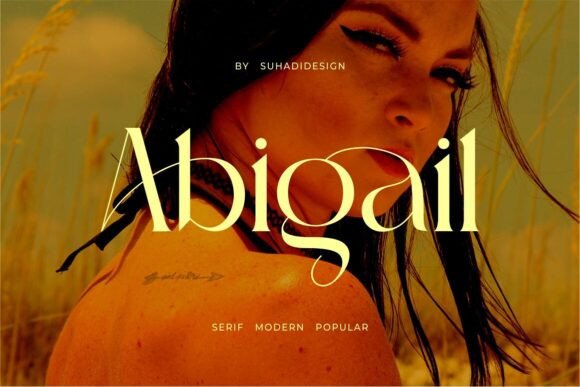
The Abigail font is a modern serif typeface that brings a touch of sophistication and charm to any design project. Known for its elegant curves, balanced proportions, and refined aesthetics, Abigail has become a go-to choice for designers looking to elevate their visual storytelling. Whether you're working on branding materials, editorial content, or digital assets, this font adds a layer of class and allure that can make your work stand out in today’s competitive creative landscape.
Elegance Meets Versatility
One of the most compelling aspects of the Abigail font is its ability to adapt to various styles while maintaining its core elegance. Its stylish fastener detail gives it a unique personality—perfect for creating memorable logos, headlines, and product names. This versatility makes it suitable for both print and digital formats, from high-end fashion magazines to minimalist website headers.
Consider how a boutique might use Abigail to craft a logo that feels both timeless and contemporary. The font's soft serifs and flowing lines suggest luxury without being overly ornate, which helps maintain readability while still capturing attention. In contrast, a beauty brand could leverage the same font for packaging design, using it to communicate a sense of refinement and care that aligns with their product values.
Real-World Applications Across Industries
- Boutique & Retail: Abigail works wonders in store signage, product labels, and promotional materials. It conveys exclusivity and style, fitting well with brands targeting a mature, fashion-conscious audience.
- Cosmetics & Beauty: The font’s grace makes it ideal for cosmetic packaging, skincare line titles, and brand name typography. Its appeal lies in its ability to look polished yet approachable.
- Magazines & Publications: In editorial design, Abigail can be used for title pages, feature headings, and pull quotes. It enhances the reading experience by adding a decorative flair without overwhelming the layout.
- Books & Literary Projects: For book covers and chapter headings, Abigail offers a classic feel that resonates with readers seeking a more traditional aesthetic. It also pairs beautifully with simpler sans-serif fonts in body text, ensuring a smooth transition between styles.
- Branding & Business Cards: When designing business cards or other brand collateral, Abigail provides an air of professionalism and creativity. It’s particularly effective for small businesses and startups aiming to establish a strong, memorable identity.
- Social Media & Digital Marketing: On platforms like Instagram or Pinterest, where visuals play a key role, Abigail can help create eye-catching posts and banners. Its legibility at smaller sizes ensures it remains functional even when scaled down for thumbnails or captions.
- Newspaper & Journalism: Though typically associated with more formal settings, Abigail can also add character to newspaper mastheads or special edition titles, offering a fresh take on traditional media typography.
Who Can Benefit from Using Abigail?
Professionals across multiple industries have found value in the Abigail font. Graphic designers appreciate its clean yet distinctive form, allowing them to create designs that are both visually appealing and easy to read. Content creators, especially those in the lifestyle and fashion niches, often use it to give their projects a curated, upscale feel.
For entrepreneurs launching a new brand, Abigail serves as a powerful tool to communicate confidence and class. A local bakery, for example, might use it on their storefront sign to evoke a sense of warmth and quality. Similarly, a wellness coach could apply it to social media graphics, reinforcing a message of calm and expertise through thoughtful typography.
Marketing teams also benefit from Abigail when crafting campaigns aimed at affluent or discerning audiences. Its sophisticated appearance complements high-quality imagery and premium messaging, helping to reinforce a brand’s positioning in the market.
Practical Tips for Choosing and Applying Abigail
Before deciding to use the Abigail font, consider the tone and purpose of your project. While it excels in conveying elegance, it may not be the best fit for every situation. Here are some practical considerations to guide your decision:
- Know Your Audience: If your target demographic appreciates classic aesthetics but still craves modernity, Abigail could be perfect. However, if your brand leans heavily into minimalism or tech-forward design, you might want to test it against more neutral fonts first.
- Check Readability: Always ensure that the font size and spacing allow for clear visibility. Even though Abigail is designed with elegance in mind, it shouldn’t compromise legibility, especially in body text or subheadings.
- Pair Wisely: Serif fonts like Abigail often work best when paired with a complementary sans-serif font for supporting text. This contrast helps maintain hierarchy and balance in your design.
- Use Sparingly: Given its decorative nature, it’s wise to use Abigail in moderation. Too much of it can lead to visual clutter, so reserve it for key elements like headlines, logos, or featured sections.
- Test in Different Contexts: Before finalizing your design, test the font in real-world scenarios. How does it look on a printed brochure? Does it render clearly on mobile screens? These observations will help you determine if it’s the right fit.
Strengths and Limitations
The Abigail font shines in its ability to blend tradition with modernity. Its clean lines and subtle embellishments give it a versatile edge, making it suitable for both vintage-inspired and contemporary designs. Additionally, the font supports a wide range of languages and includes stylistic alternates, which enhance its usability for international or multilingual projects.
However, there are limitations to consider. Because of its detailed serifs and stylized features, Abigail may not perform as well in very small sizes or low-resolution environments. It’s important to evaluate the context in which it will be used to avoid compromising clarity or accessibility.
Another thing to note is that Abigail may not be appropriate for all types of content. In highly technical or data-driven fields, such as finance or engineering, a more straightforward font might better suit the professional tone required. But for creative industries, it can be a game-changer.
How Abigail Elevates Design Quality
Many professionals have reported that using Abigail significantly improves the perceived quality of their work. Its presence adds a level of polish that can transform a basic layout into something more refined. For instance, a wedding planner might choose Abigail for invitations, knowing it will impress clients with its romantic and sophisticated vibe.
In publishing, the font has been praised for its ability to enhance the reader’s emotional connection to the content. A poetry anthology using Abigail for chapter headings can create a warm, inviting atmosphere that encourages deeper engagement. Similarly, a fashion blog might incorporate it into header designs to match the aspirational tone of their articles.
When it comes to digital branding, Abigail can help set the right visual tone. Think of how a cosmetics company might use it for their website headers and social media bios—it instantly elevates the overall look and feel, aligning with a premium brand image.
Design Scenarios Where Abigail Shines
Here are a few specific examples of how Abigail can be applied effectively in different design contexts:
- A luxury spa uses Abigail in their brochure to reflect a serene and elegant environment. The font matches the soothing color palette and high-quality photography, reinforcing the brand’s commitment to excellence.
- A coffee shop chain adopts Abigail for their seasonal menus and packaging. The font’s warm and inviting curves align with their artisanal coffee theme, encouraging customers to engage with the brand on a personal level.
- A book publisher chooses Abigail for the cover of a historical fiction novel. The font adds a touch of old-world charm while remaining modern enough to attract a broad readership.
- A magazine designer incorporates Abigail into a feature about sustainable fashion. The font’s stylish yet responsible look complements the article’s message and draws the reader’s eye to key points.
These applications show how Abigail can be tailored to fit a variety of needs. It’s not just a pretty font—it’s a strategic design choice that communicates values and enhances user experience.
Choosing the Right Weight and Style
Abigail often comes in multiple weights and styles, including bold, italic, and light variants. Understanding these options is crucial for maximizing its impact. For example:
- Bold weight: Best for headlines and large-scale displays where you want to make a statement.
- Italic style: Adds a graceful flourish to quotes, testimonials, or call-out boxes.
- Light weight: Ideal for backgrounds or secondary text, where subtlety is key.
Experimenting with these variations allows you to build a typographic system that supports your design goals. Just remember to keep consistency in mind—mixing too many styles can dilute the effectiveness of your message.
Why Abigail Stands Out in a Sea of Fonts
In today’s world of endless font choices, standing out requires more than just uniqueness—it demands relevance. Abigail succeeds because it meets the needs of a broad spectrum of users without losing its identity. It’s not trying to be everything; instead, it focuses on delivering elegance with a modern twist.
This focus makes it a favorite among creatives who understand the importance of typography in storytelling. Whether you’re designing a brand identity or crafting content for a niche audience, Abigail offers the kind of visual richness that can turn heads and spark interest.
Its popularity continues to grow thanks to its adaptability and the way it effortlessly bridges the gap between traditional and contemporary design sensibilities. As trends evolve, Abigail remains a reliable choice for those who want to maintain a classy, enduring aesthetic.