Enhancing Digital Designs with Cracked Surface and Paper Backgrounds
Digital design has become an essential part of modern communication, whether you're creating marketing materials, personal projects, or educational content. One often-overlooked yet powerful element in this process is the background. Specifically, Cracked Surface and digital paper backgrounds offer a unique way to elevate the visual appeal of your work while maintaining efficiency and creativity. These high-quality digital assets are used across various industries and hobbies to add texture, depth, and character to otherwise plain layouts.
What Are Cracked Surface and Digital Paper Backgrounds?
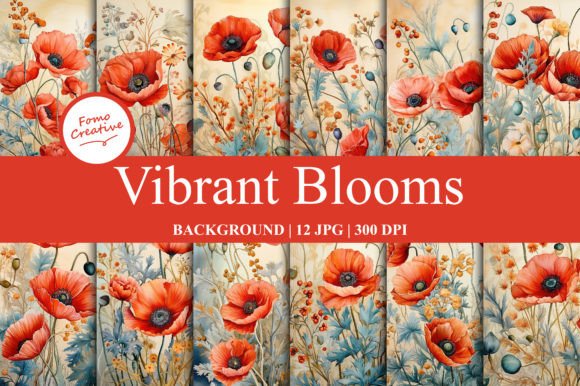
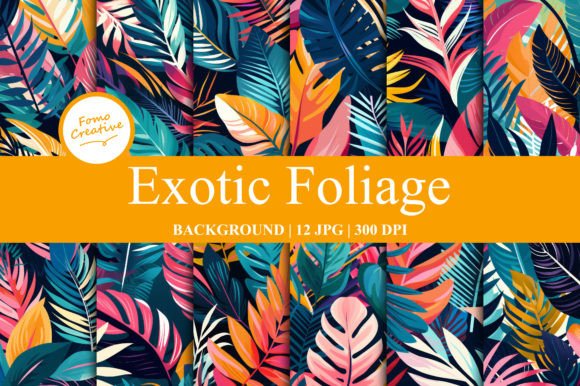
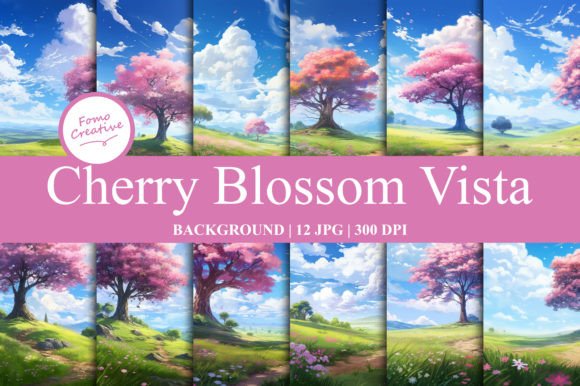
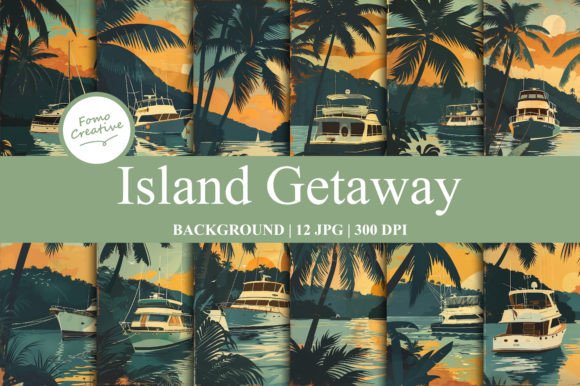
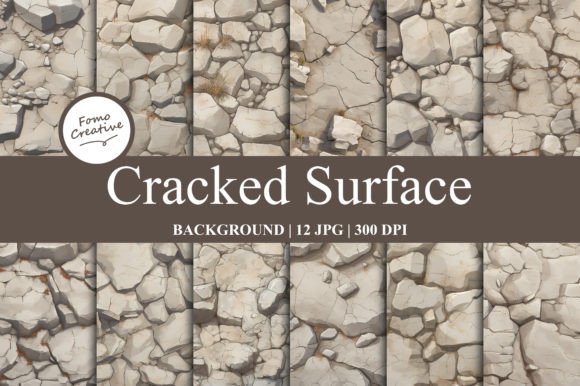
Cracked Surface backgrounds refer to digital images that simulate aged or weathered textures. These can include cracked paint, dry earth, peeling wallpaper, or other organic surfaces that give designs a vintage or distressed look. On the other hand, digital paper backgrounds are stylized versions of real-world papers, ranging from simple white sheets to intricately patterned designs. Both types serve as foundational elements in digital projects, providing context and aesthetic value without overshadowing the main content.
These backgrounds are typically provided in common image formats such as JPG and at high resolutions (e.g., 300 DPI), making them suitable for both on-screen viewing and professional printing. The files are ready for instant download, allowing users to quickly integrate them into their workflow. Since they are digital products, no physical items will be shipped — just a downloadable file containing all necessary assets.
Key Characteristics of Cracked Surface and Digital Paper Backgrounds
- High-Resolution Quality: Each background is crafted at 300 DPI, ensuring clarity and sharpness when printed or displayed digitally.
- Multiple File Formats: Typically available in JPG format, these backgrounds are compatible with most design software and platforms.
- No Watermarks or Logos: The downloaded files contain clean, unmarked images, ideal for professional use.
- Device-Dependent Color Variation: Colors may appear slightly different on various monitors or printers due to differing display settings.
- Printable Ready: With appropriate formatting, these digital files can be printed for tangible outputs like posters, cards, and more.
Advantages of Using Digital Backgrounds
The primary benefit of using Cracked Surface and digital paper backgrounds is the time and effort they save. Instead of manually creating a textured background from scratch, which can be complex and time-consuming, designers can simply choose a pre-made option that fits their project's needs. This is especially valuable for individuals who may not have advanced graphic design skills but still want to produce visually engaging content.
Another advantage is the flexibility they offer. Whether you're working on a digital poster for a website, a printable invitation for an event, or a scrapbook page for a personal memory, there’s likely a background that complements your theme. For example, a Cracked Surface background might be perfect for a historical documentary poster, while a floral digital paper could suit a wedding announcement.
Moreover, these backgrounds are designed with a broad range of applications in mind. They’re not limited to one industry or purpose. Educators might use them to create visually stimulating learning materials, while small business owners can incorporate them into branding collaterals like brochures or social media graphics. Their adaptability makes them a staple in any designer’s toolkit.
Use Cases Across Industries and Hobbies
Let’s explore how these digital assets are being utilized in different fields:
Graphic Design and Branding
In the world of branding, first impressions matter. A well-chosen Cracked Surface or paper background can communicate the right tone instantly. Vintage brands, for instance, often use distressed textures to evoke nostalgia and authenticity. Similarly, minimalist startups might opt for clean digital paper backgrounds to emphasize simplicity and elegance.
Event Planning and Invitations
Weddings, birthdays, and corporate events frequently require custom invitations and announcements. Here, digital paper backgrounds allow planners and creatives to craft unique designs that reflect the event’s personality. A summer-themed party might feature a bright and breezy geometric paper, while a Christmas event could use a warm, festive motif with holiday colors and patterns.
Scrapbooking and Personal Projects
For hobbyists and crafters, digital paper backgrounds bring life to memories. They provide a structured canvas for photos, journal entries, and decorative elements. Cracked Surface textures, for example, can be used to create a “found diary” look, adding an artistic flair to personal narratives and photo albums.
Website Development and UI/UX Design
Websites need to balance aesthetics with functionality. Digital paper and surface backgrounds help achieve this by offering subtle textures that enhance user experience without distracting from content. In UI/UX design, a floral or abstract pattern might be used in a landing page header to make it more inviting, while a geometric background could support a modern, tech-focused layout.
Practical Implementation Tips
When integrating these backgrounds into your design projects, consider the following best practices:
- Layer Management: Use design software like Adobe Photoshop or Illustrator to place the background on its own layer. This allows for easy adjustments and ensures the foreground elements remain sharp and legible.
- Color Contrast: Always test the contrast between your chosen background and text or images. Low-contrast combinations can reduce readability and overall impact.
- Printing Considerations: If planning to print, verify color accuracy on your printer. As noted, monitor settings can affect how colors appear, so proofreading before mass production is crucial.
- Resizing Without Loss: Because these files are high-resolution, you can scale them down for web use without losing quality. However, scaling up may lead to pixelation, so avoid enlarging beyond the original dimensions when possible.
Choosing the Right Background for Your Project
Selecting the appropriate background depends heavily on the project’s goal and audience. For instance, a children’s book cover might benefit from a playful, colorful pattern, while a formal letterhead should stick to something understated and professional. When using Cracked Surface backgrounds, consider the message they convey — age, decay, or history — and ensure it aligns with your content’s intent.
Many creators also blend multiple backgrounds to form new textures. You might overlay a floral pattern onto a Cracked Surface for a layered, artisanal effect. Experimentation is key to discovering what works best for your specific application.
Common Misconceptions and Clarifications
Despite their popularity, some misunderstandings persist about these digital resources:
- They Require Advanced Skills: Not true. Most backgrounds are plug-and-play, requiring minimal editing. Basic tools like Canva or even PowerPoint can handle integration effectively.
- Only for Print Media: While they are printable, many are optimized for digital screens as well. High-resolution does not equate to exclusive print use.
- All Backgrounds Look the Same: This couldn’t be further from reality. With thousands of options available, including seasonal themes, abstract motifs, and realistic textures, the variety is vast.
Why Designers and Creators Rely on Them
Professionals and amateurs alike turn to these backgrounds for several reasons. First, they streamline the design process. Second, they allow for consistent styling across multiple pieces of content. Third, they enable customization without the need for specialized tools or expertise. A digital paper collection can provide dozens of cohesive looks, helping maintain brand identity while varying visuals for engagement.
Additionally, these assets are cost-effective. Rather than hiring a graphic designer for every background needed, users can access affordable libraries filled with professionally created textures and papers. This democratizes design, enabling even those with limited budgets to produce polished, eye-catching results.
Tips for Maximizing Creativity
To get the most out of Cracked Surface and digital paper backgrounds, think beyond static use. Try adjusting opacity levels to soften the texture, or apply blending modes to mix the background with other design elements. Some artists use them as a base for hand-drawn illustrations or digital overlays, enhancing the tactile feel of the final product.
Another creative approach is to combine them with transparent PNG elements. This allows for greater control over where the texture appears and where it recedes, giving your design a more dynamic composition. Remember, the goal is to enhance the overall look without overwhelming it.
Future Trends in Digital Backgrounds
As design trends evolve, so do the preferences for backgrounds. Currently, there's a growing interest in hybrid styles that merge realism with minimalism. Cracked Surface backgrounds are being paired with flat design elements to create a balance between raw, natural textures and clean, modern aesthetics.
Also, with the rise of remote work and digital presentations, the demand for versatile, high-quality backgrounds is increasing. Educators, entrepreneurs, and content creators are seeking assets that work seamlessly across devices and platforms. This trend is likely to continue as the line between digital and physical experiences becomes increasingly blurred.
Conclusion
Cracked Surface and digital paper backgrounds are invaluable tools in the digital design landscape. They offer a blend of practicality and creativity, empowering users to transform ordinary layouts into compelling visual stories. By understanding their characteristics, advantages, and proper usage, anyone can leverage these assets to produce professional-grade results. As technology continues to advance, the role of such backgrounds will only grow, making them a must-have for any creative professional or enthusiast looking to stay ahead in the field.