A Lot Can Happen in Three Days: How Strategic Planning and Creativity Can Transform Your Business
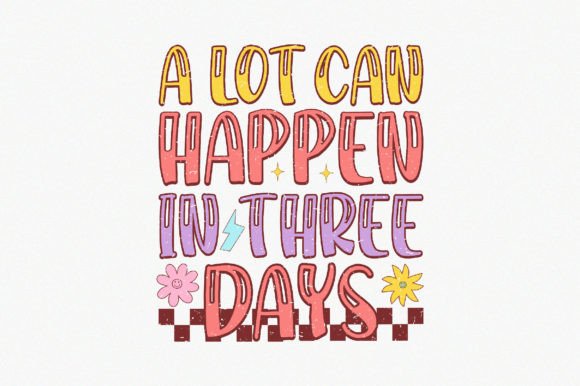
Time is one of the most valuable resources for professionals, entrepreneurs, and creators. The phrase "A Lot Can Happen in Three Days" isn’t just a catchy title—it's a powerful reminder that short-term focus and intentionality can lead to meaningful long-term results. Whether you're launching a product, planning a campaign, or simply looking to boost your creative output, understanding how to harness the potential of a three-day window can make all the difference.
Understanding the Power of a Three-Day Window
The concept of "A Lot Can Happen in Three Days" reflects the idea that even a short span of time can yield substantial progress when approached with clarity and purpose. This mindset is especially relevant in today’s fast-paced digital landscape where trends shift rapidly and opportunities can disappear just as quickly as they appear.
For small business owners, marketers, and content creators, leveraging this three-day rule can help break down larger projects into manageable phases. It allows you to set immediate goals, prioritize tasks, and maintain momentum without getting overwhelmed by the big picture.
Why It Matters for Your Business Strategy
Strategic use of time is crucial for success. A well-defined three-day plan can serve as a micro-launchpad for various initiatives, such as:
- Product Launches: Use the first day to finalize designs, the second to prep marketing materials, and the third to execute the launch.
- Content Creation: Dedicate each day to research, drafting, and editing to ensure high-quality output within a tight timeline.
- Brand Positioning: Craft and deploy a cohesive message across platforms in just three days, ensuring consistency and impact.
When applied thoughtfully, this approach helps you stay agile, responsive, and focused on what truly matters—delivering value to your audience or customers.
Applying "A Lot Can Happen in Three Days" to Creative Projects
If you're involved in design, publishing, or any form of visual storytelling, the ability to create impactful assets quickly is essential. With tools like SVG, DXF, PDF, PNG, and EPS files, you can generate a wide range of products including t-shirts, mugs, signs, wall art, birthday cards, stickers, party decorations, framed artwork, scrapbooks, pillows, and bags—all from a single source file.
By embracing the "three-day" philosophy, you can streamline your creative process and deliver these items efficiently. Here’s how:
- Day One – Concept and Design: Finalize the visual elements and messaging for your project. This is where creativity meets strategy. Ensure your design aligns with your brand voice and target audience.
- Day Two – File Preparation: Convert your final design into the necessary formats (SVG, DXF, PDF, etc.) for printing or digital use. This step ensures versatility and scalability across different products.
- Day Three – Execution and Delivery: Apply the design to merchandise, schedule social media posts, or prepare for an event. This is the phase where visibility and engagement are maximized.
This method not only accelerates production but also maintains quality and coherence across all outputs. For instance, if you’re creating custom birthday party decorations, having consistent visuals across balloons, banners, and cups enhances the overall experience and strengthens brand recognition.
Practical Use Cases Across Industries
Let’s explore some real-world applications of the "three-day" strategy using versatile design files:
- Marketing Campaigns: Create a suite of promotional materials (posters, social media graphics, email headers) and launch them in a coordinated manner over three days.
- Event Promotion: Develop signage, invitations, and branded swag in just three days for a last-minute event or pop-up shop.
- Merchandise Drops: Use SVG and DXF files to produce custom t-shirts, mugs, and stickers for a limited-time collection, perfect for boosting sales or building community.
- Personal Branding: Entrepreneurs and influencers can create cohesive branding elements like wall art, stationery, and digital signatures in under a week.
In each case, the key is to start with a clear vision and end with tangible, high-quality deliverables. This is where the right digital assets come into play. Having access to professional-grade SVG, DXF, and EPS files ensures that your creations are adaptable and ready for production across multiple channels.
How to Approach the Three-Day Rule Effectively
To get the most out of a three-day strategy, it's important to start with strong planning. Begin by asking yourself:
- What is the goal of this project?
- Who is the target audience or customer?
- Which products will add the most value?
- What tools or templates do I need to accelerate the process?
Once you have answers, you can build a realistic action plan. Let’s say you want to create a line of custom birthday cards and stickers for a niche market. On Day One, you could brainstorm themes and finalize the layout. Day Two would be dedicated to converting the design into SVG and PNG formats. By Day Three, you’d have everything ready to list on your website or print-on-demand platform.
Another example is using "A Lot Can Happen in Three Days" for a quick turnaround on a client project. If a designer receives a request for custom wall art and has the right SVG and DXF files already prepared, they can adapt the design to fit the client's space in just three days—ensuring satisfaction while maintaining productivity.
Planning Tips for Maximum Impact
Here are a few strategic tips to keep in mind when using the three-day rule:
- Set Specific Objectives: Instead of aiming for vague outcomes like “create something cool,” define clear milestones such as “finalize five product variations by the end of Day Two.”
- Choose the Right Tools: Access to SVG, DXF, and other vector formats gives you the flexibility needed to scale your designs across products and platforms.
- Focus on Quality Over Quantity: Even with a tight deadline, don’t compromise on the integrity of your work. A polished design can speak volumes about your professionalism and attention to detail.
- Anticipate Production Needs: If you're selling physical items like mugs or t-shirts, ensure your digital files are optimized for print and compatible with manufacturing requirements.
These steps help you maintain control over your workflow and reduce the risk of missing deadlines or producing subpar results.
Potential Risks of Using the Three-Day Rule Without Clarity
While the three-day rule can be incredibly effective, it’s not without its pitfalls. If used carelessly, it may lead to rushed decisions, inconsistent branding, or missed opportunities. For example, trying to launch a full line of custom merchandise without proper market research or design alignment can result in low sales or poor customer feedback.
Consider the following risks:
- Overcommitment: Taking on too many tasks in three days can lead to burnout or incomplete work.
- Lack of Cohesion: Jumping between unrelated projects without a unifying theme can dilute your brand identity.
- Insufficient Testing: Not allowing time to review or test your designs before going live can lead to errors or miscommunication with your audience.
To avoid these issues, always begin with a solid foundation. Know your audience, understand your goals, and choose the right tools to support your execution. This ensures that the three-day rule becomes a strength rather than a constraint.
Intentional vs. Random Use of the Three-Day Rule
Using the three-day rule intentionally means aligning it with broader strategies. For instance, if you're running a seasonal promotion for a small business, you might use this rule to refresh your packaging, signage, and online banners simultaneously. But if you're using it randomly—just because you have time—then the outcome may lack direction and fail to contribute meaningfully to your objectives.
Think of the three-day rule as a sprint, not a random burst of activity. Each task should tie back to a strategic decision point. This could include evaluating which products will drive the most engagement, assessing customer preferences, or reinforcing your brand’s visual identity through consistent design elements.
Long-Term Value and Integration
Although the three-day rule emphasizes speed, it can also support long-term growth when integrated into a continuous improvement cycle. After completing a three-day project, take time to reflect on what worked and what didn’t. Did your custom stickers increase social media shares? Did your new wall art resonate with your target demographic?
Use these insights to refine future projects. Maybe next time you'll dedicate more time to color testing or adjust the product mix based on customer demand. The beauty of the three-day approach is that it encourages iteration and learning, making it a sustainable part of your creative and operational strategy.
Building a Routine Around Short-Term Wins
Entrepreneurs and freelancers can benefit from establishing routines around short-term wins. Consider setting aside every Monday to Wednesday for a mini-project using the "A Lot Can Happen in Three Days" framework. This could mean:
- Monday: Ideation and design development
- Tuesday: File conversion and formatting
- Wednesday: Deployment across chosen products or platforms
Such a routine keeps your pipeline of creative content and merchandise fresh, while also helping you maintain a steady rhythm of production and delivery. When combined with digital assets like SVG and DXF files, this system becomes even more efficient and scalable.
Final Thoughts on Strategic Creativity
Whether you're managing a small business, leading a marketing team, or exploring creative side projects, the idea that "A Lot Can Happen in Three Days" offers a compelling way to structure your efforts. It’s not just about speed; it’s about precision, intent, and delivering value at the right moment.
By choosing the right tools—like SVG, DXF, PDF, and transparent PNG files—you empower yourself to create diverse, high-quality products quickly. These files allow you to adapt your designs for t-shirts, mugs, signs, and more, ensuring your message remains consistent across mediums.
Remember, the true power of the three-day rule lies in how you apply it. Start with a clear objective, build a realistic plan, and execute with purpose. When done right, it can become a cornerstone of your creative and operational strategy, helping you achieve better results faster and more effectively.
Thank you for supporting small businesses and creative entrepreneurs. Every purchase of an instant digital download contributes to the sustainability of independent creators who bring unique ideas to life through thoughtful design and planning.